Vacuum packaging

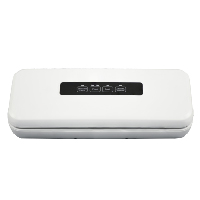
Vacuum packing is a simple and effective way to protect products for storage, preservation or presentation. The vacuum sealing process works by placing a product inside a suitable vacuum bag or pouch before removing air and creating a secure seal. This produces a compact package that helps protect the contents from external elements.
Vacuum sealing is widely used for food, from fresh meat and fish to vegetables and prepared meals. It can help maintain freshness, extend shelf life and make efficient use of storage space. Vacuum packing can also be suitable for certain non-food items, including clothing, where removing excess air can help save space.
At Kite Packaging, we supply a range of bags, vacuum packing machines, vacuum sealers and vacuum pouches for commercial requirements, making it easy to find a suitable solution for your products.
Vacuum Food Packaging Machines
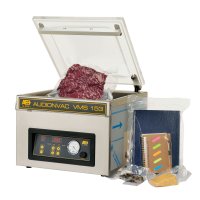
Choosing between vacuum packing machines depends on what you need to pack and the volume being sealed. This is particularly important when handling perishable food, where safe and efficient storage is essential. At Kite, we offer vacuum chamber machines in desktop and floor-standing variations, with easy-to-use controls for different commercial requirements.
Desktop vacuum packers are commonly used by fresh food retailers and commercial kitchens. A suitable machine can be used to pack:
- Fresh meat and poultry
- Fish and deli products
- Vegetables
- Prepared meals and individual portions
- Other suitable raw or cooked foods
During vacuum packing, a pump removes air from the pouch before the machine completes the sealing process. Kite’s vacuum sealers provide a reliable way to package food while helping protect its quality during storage.
How Does Vacuum Packing Extend Shelf Life?
Vacuum sealing reduces the oxygen surrounding food by removing air from the package before sealing. This can slow oxidation and limit the growth of aerobic bacteria and fungi, helping many foods retain their freshness, texture, aroma and quality for longer. Vacuum packing can therefore extend shelf life and help reduce unnecessary food waste. However, it doesn’t replace refrigeration or freezer storage. Perishable vacuum-packed food must still be stored safely, as some bacteria can grow in low-oxygen environments.
Vacuum Sealing Food for Freezer Storage
Vacuum sealing is a useful method for preparing suitable food for freezer storage. Removing air from bags reduces exposure to the cold, dry freezer environment, helping protect frozen food from dehydration and freezer burn. It can also make bulk food purchases easier to divide and store.
Benefits of vacuum packing food for the freezer include:
- Reducing freezer burn by limiting exposure to cold, dry air
- Protecting quality by helping food retain its moisture, texture and freshness
- Saving storage space as vacuum sealed bags can take up less space
- Creating convenient portions of meats, vegetables and other suitable foods
- Organising bulk purchases for easier refrigerator or freezer storage
Extra care is needed when sealing moist foods or liquids. The contents should be suitably prepared before vacuum packing so that moisture doesn’t interfere with the seal.
Vacuum Packing for Sous Vide Cooking
Vacuum sealing is commonly used for sous vide cooking, where food is sealed inside a suitable pouch before being cooked in a water bath at precisely controlled temperatures. A secure seal keeps the food contained during cooking and makes the method suitable for prepared portions of meats, fish, vegetables and other appropriate foods.
Choosing suitable pouches is important when using vacuum sealers for sous vide cooking. The bag should be designed for the intended application and compatible with the vacuum packing machine being used, helping create a reliable seal before cooking begins.
Commercial Vacuum Sealers and Vacuum Packers
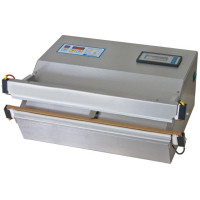
Kite’s range includes standard and industrial vacuum sealers for commercial packing requirements. These machines use the same basic principle of removing air before sealing the package, with different options available depending on the product and intended application. Choosing suitable vacuum packers involves considering factors such as the products being packed, their size and the volume that needs to be processed.
Alongside chamber machines, our standard and industrial vacuum packing machines provide options for businesses requiring reliable, efficient sealing. The pump removes air from the package before a secure seal is created, helping protect suitable products during storage or distribution. Our range provides businesses with a choice of machines to suit different packing environments and requirements.
Choosing the Right Vacuum Bag or Pouch
The vacuum bag or pouch is just as important as the machine used during the sealing process. Kite supplies vacuum pouches in a range of sizes designed for use with compatible vacuum packing machines. Choosing suitable bags helps create a reliable vacuum sealed bag and reduces the risk of air entering the package after sealing. The right pouch will depend on the product being packed, its size and the vacuum sealer being used.
Can Vacuum Packing Be Used for Non-Food Items?
Vacuum packing isn’t limited to food. Certain non-food items, such as clothing, can also be packed using a suitable vacuum system. Removing air creates a more compact package, helping items take up less space during storage or distribution. This can be particularly useful where storage space is limited, although the product and packaging materials should always be suitable for vacuum sealing.
Find the Best Vacuum Packing Solution at Kite Packaging
At Kite Packaging, our range includes vacuum packing machines, vacuum sealers and pouches for different commercial requirements. From chamber machines to industrial and standard options, businesses can choose equipment suited to their products and packing needs.
Explore our range online to find a suitable machine, bags and accessories for your application. If you need help choosing the best vacuum packing solution, contact us to discuss your requirements with our knowledgeable team.
Vacuum Packing FAQs
Below, we answer some common questions about vacuum packing, vacuum sealers and storing vacuum-packed products.
What is a vacuum sealed bag?
A vacuum sealed bag is created by using a vacuum sealer to remove air from a suitable bag or pouch before sealing it securely. The removal of air creates a compact package and helps protect the contents during storage.
How does vacuum packing improve shelf life?
Vacuum packing can improve shelf life by reducing the amount of oxygen surrounding food. This helps slow oxidation and limits the growth of aerobic bacteria and fungi. Perishable food must still be stored correctly in a refrigerator or freezer after sealing.
Can vacuum sealing help prevent freezer burn?
Yes, vacuum sealing can help reduce freezer burn by limiting a food’s exposure to cold, dry air. A secure vacuum bag also helps protect moisture and quality while suitable food is stored frozen.
Can vacuum sealers be used for non-food items?
Yes, vacuum sealers can be used for certain suitable non-food items. Clothing is one example, as removing excess air can create a more compact pack that takes up less storage space.